
Turkish hammam offers a transformative wellness journey where heat, culture, and mindful self-care converge. Explore the hammam ritual steps that shape the experience and discover the wider benefits of a steam-assisted cleanse, inviting reflection. This traditional Turkish bath experience blends cleansing, exfoliation, and slow, ceremonial relaxation to nurture body and mind, leaving a calm afterglow. Hammam therapy is less about quick results and more about a mindful rhythm of heat, touch, and breath that supports recovery and balance for daily life. If you’re weighing wellness options, you might find the Turkish bath vs spa pathway offers a distinctly ceremonial journey toward lasting well-being.
From a cultural perspective, this steaming ritual unfolds as a centuries-old bathhouse tradition that travelers often seek for immersion. In many locations, guests pass through a sequence of rooms that guide heat and humidity, while a kese scrub and foam massage introduce exfoliation and soothing touch. The experience is frequently framed as a holistic wellness ritual—part cleanse, part meditation—offering tangible relaxation and mental clarity. Compared with Western spa models, the emphasis on ceremony, social warmth, and a measured pace makes the traditional bath a unique wellness journey. If you’re planning a visit, look for facilities that emphasize hygiene, skilled therapists, and authentic ambiance to ensure a safe, restorative experience.
Understanding the Turkish Hammam: Tradition, Heat, and Mindful Movement
The Turkish hammam is a centuries-old tradition that fuses heat, humidity, and mindful self-care into a transformative bath ritual. It’s more than a steam room—it’s a holistic experience where the body is warmed, the skin is prepared, and the mind is invited to slow down. In many settings, the environment itself—the marble, the steam, and the quiet cadence of the attendants—reflects a traditional Turkish bath experience at its core.
As you move through the space, you can feel the emphasis on presence and breath, a hallmark of hammam therapy. The session often begins with a gradual progression from warm to hotter rooms, designed to open pores, relax muscles, and set the stage for cleansing and exfoliation. By design, the ritual supports both physical relaxation and mental clarity, embodying the hammam benefits that keep travelers and locals returning.
Hammam Ritual Steps: A Step-by-Step Guide from Arrival to Rinse
Hammam ritual steps are the backbone of the experience. You’ll typically start with arrival and preparation, then a pre-steam wash to acclimate your skin and senses before stepping into the steam. Each stage is deliberate, and the pace is part of the ritual—quiet, attentive, and focused on breath and hygiene.
In the core steam phase, the humid heat relaxes muscles and opens pores, preparing the skin for the kese exfoliation and foam massage. The sequence culminates in a gentle rinse and often a light oiling to seal hydration, followed by rest and hydration. This structured flow is central to the traditional Turkish bath experience and illustrates why many guests regard it as a form of hammam therapy.
Turkish Hammam Benefits: Physical Gains and Mental Calm
Turkish hammam benefits frequently include improved circulation, reduced muscle tension, and a healthier-looking complexion. The heat and humid air help relax stiff shoulders, neck, and back, while exfoliation smooths the skin and can stimulate cell turnover—contributing to a healthier glow and a deeper sense of rejuvenation. These physiological effects are often what draw visitors to the hammam again and again.
Beyond the body, the ritual fosters a meditative state. Slow, deliberate movements, a calm environment, and a focus on breath cultivate mental clarity and stress reduction. For travelers, the experience becomes a meaningful cultural immersion—an opportunity to connect with a centuries-old practice that supports overall wellness and a mindful lifestyle.
The Traditional Turkish Bath Experience: Etiquette, Architecture, and Atmosphere
The traditional Turkish bath experience is as much about etiquette as it is about services. Visitors learn to move with the pace of the therapist, dress modestly, and show appreciation for the care provided. Etiquette varies by country and city, but the core principles—respect, patience, and presence—remain constant.
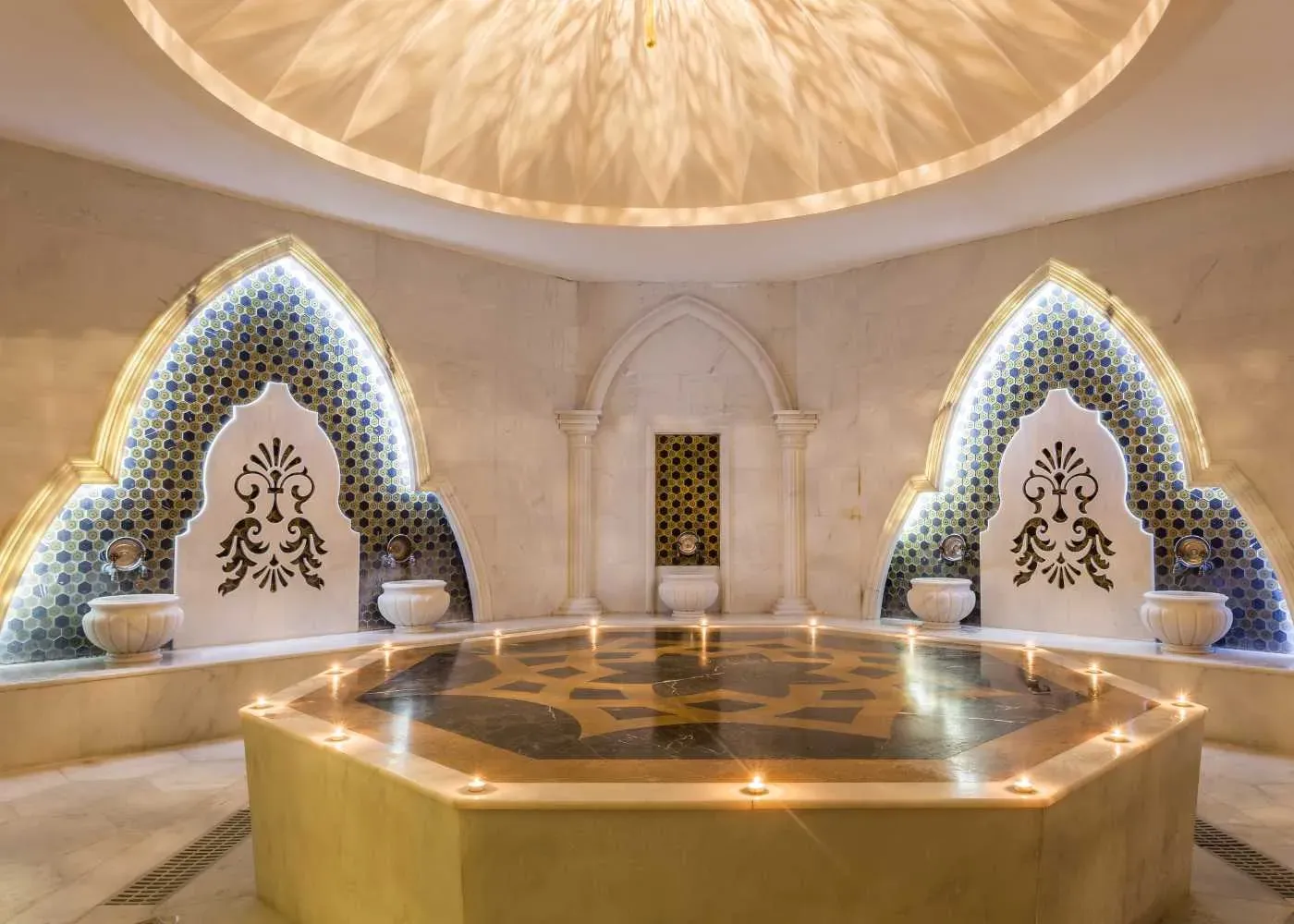
Architecturally, hammams are often marble-clad, with a sequence of rooms that gradually increase in warmth. The ambiance emphasizes quiet and ritual, inviting guests to savor the moment rather than rush through procedures. This atmosphere complements the involving touch therapies and reinforces the sense of traditional Turkish bath experience that many practitioners strive to preserve.
Turkish Bath vs Spa: What Distinguishes a Hammam
Turkish bath vs spa comparisons highlight ritual-driven care, cultural ceremony, and a social or quiet ambiance that differs from many Western spa settings. While core services like steam, exfoliation, and massage overlap with spa offerings, the sequence and environment are typically more ceremonial and historically rooted in the hammam.
For some guests, the deeper cleansing and intense heat management are appealing, offering a different kind of muscular relief and skin renewal than a salon-style treatment. When choosing a venue, consider your comfort with heat, humidity, and traditional methods to find a setting that matches your privacy preferences and staff expertise.
Choosing and Maximizing Your Turkish Hammam Visit: Practical Tips
To maximize your Turkish hammam visit, start with research. Look for reputable establishments with clear hygiene standards, trained therapists, and positive reviews. Understanding the offered sequence and any add-ons—like kese exfoliation or foam massages—helps you set realistic expectations for the hammam ritual steps you'll experience.
Prepare your own expectations and pack essentials: a towel wrap, water bottle, and any skincare products recommended by staff. Hydration is key, so pace yourself through the session and communicate any sensitivity. A mindful approach ensures you experience the full spectrum of hammam benefits while preserving comfort throughout the ritual.
Frequently Asked Questions
What are the Turkish hammam benefits for body and mind?
Physically, the Turkish hammam benefits include improved circulation, eased muscle tension, and a healthier, flushed complexion. Exfoliation and massage can leave skin smoother, while the calm, slow pace of the ritual supports stress reduction and mental clarity. Travelers often gain cultural immersion as a meaningful side benefit.
What are the hammam ritual steps in a traditional Turkish bath experience?
A typical sequence includes arrival and preparation, the pre-steam wash, the steam/heat phase, scrub with kese and foam massage, rinse and oiling, followed by rest and hydration. The process guides you from warmer to hotter rooms, culminating in refreshed skin, relaxed muscles, and a sense of calm.
How does hammam therapy support wellness and relaxation?
Hammam therapy softens muscles with heat, stimulates the lymphatic system through exfoliation and massage, and may aid circulation and cleansing. Beyond the physical effects, the ritual fosters mindfulness—breath awareness, body presence, and a tranquil environment that supports mental balance.
How does a Turkish hammam differ from a spa, and what makes the traditional Turkish bath experience unique (Turkish bath vs spa)?
A Turkish hammam emphasizes a ritual-driven, multi-room sequence and often a social or ceremonial ambiance, with traditional exfoliation and massage. In contrast, many spas focus on private treatments and quieter, salon-style experiences. The traditional Turkish bath experience blends cleansing, massage, and cultural ceremony in a distinctive, historically rooted format.
What etiquette and preparation should I know for a Turkish hammam session as part of the traditional Turkish bath experience?
Expect a relaxed, respectful pace: arrive with an open mindset, wear modest attire or a provided wrap, and let staff guide the sequence. Tipping is customary, hydrate before and after, and bring or follow staff recommendations for essentials. Hydration and pacing are key to a comfortable traditional Turkish bath experience.
Who benefits most from hammam therapy in a Turkish hammam setting?
A wide range of visitors can benefit—from travelers seeking cultural immersion and mindfulness to athletes needing muscle recovery and anyone pursuing stress relief and better circulation. Hammam therapy fits well into a wellness routine by supporting physical relaxation and mental balance.
| Aspect | Key Points |
|---|---|
| What is a Turkish hammam? | Traditional Turkish bathhouse experience centered on steam, heat, cleansing, and therapies like kese (a rough exfoliating glove) and foam massages; humid environment and a multi‑room sequence that moves from warm to hot; aims for cleansing, relaxation, balance, and mindfulness. |
| Turkish hammam benefits | Physically: heat and humidity improve circulation, ease muscle tension, and promote a flushed, glowing complexion. Exfoliating scrub and foam massage leave skin smoother; massage rhythms reduce stiffness in shoulders, neck, and back. Psychologically: the ritual fosters a meditative state and reduces stress; for travelers, it offers meaningful cultural immersion. |
| Hammam ritual steps | 1) Arrival and preparation; 2) The pre-steam wash; 3) The steam/heat phase; 4) Scrub with kese and foam massage; 5) Rinse and oiling; 6) Rest and hydration. |
| Traditional Turkish bath etiquette | Arrive with a relaxed mindset and participate in the ritual; respect the pace of the therapist; attire is simple and modest (wrap or towels); tipping is customary; stay hydrated throughout and after the session. |
| Hammam therapy and wellness mindset | Hammam therapy complements fitness and mental health routines; heat and steam soften muscles, while exfoliation and massage stimulate the lymphatic system, potentially aiding detoxification and circulation. The experience also supports mindfulness—breath, body awareness, and sensory cues—bridging body and mind for holistic wellness. |
| Turkish bath experience vs spa | Typically ritual-driven with cultural ceremony and varying social or quiet ambiance. Core services (steam, exfoliation, massage) align with spa offerings, but sequencing and ambiance feel more ceremonial and historically rooted. Some guests experience deeper cleansing and muscle relaxation from the intensity, while others prefer gentler therapies; plan for heat, humidity, privacy, pace, and staff expertise. |
| Practical tips for choosing | Do thorough research on hygiene standards and trained therapists; for beginners, start with a basic sequence and gradually try more intense exfoliation or longer steam; manage expectations—it's a restorative ritual, not a spa postcard; wear comfortable attire and bring essentials (towel wrap, water, skincare products recommended by staff); hydrate and pace yourself to avoid dehydration during the process. |
Summary
Turkish hammam offers a uniquely immersive retreat where heat, steam, cleansing, and mindful pause converge to nourish body and soul. This ancient practice blends cleansing, muscle release, sensory immersion, and a paused awareness into a single, memorable experience. As you move through warm rooms, exfoliation, and massage, you’re invited to slow down, breathe, and reconnect with your senses. The Turkish hammam also provides cultural immersion, linking you with centuries of tradition that support a balanced wellness routine for travelers, fitness enthusiasts, or anyone seeking a restorative escape. By embracing the ritual with curiosity and patience, you invite renewal for your body and clarity for your thoughts, wrapped in heat, steam, and care.