
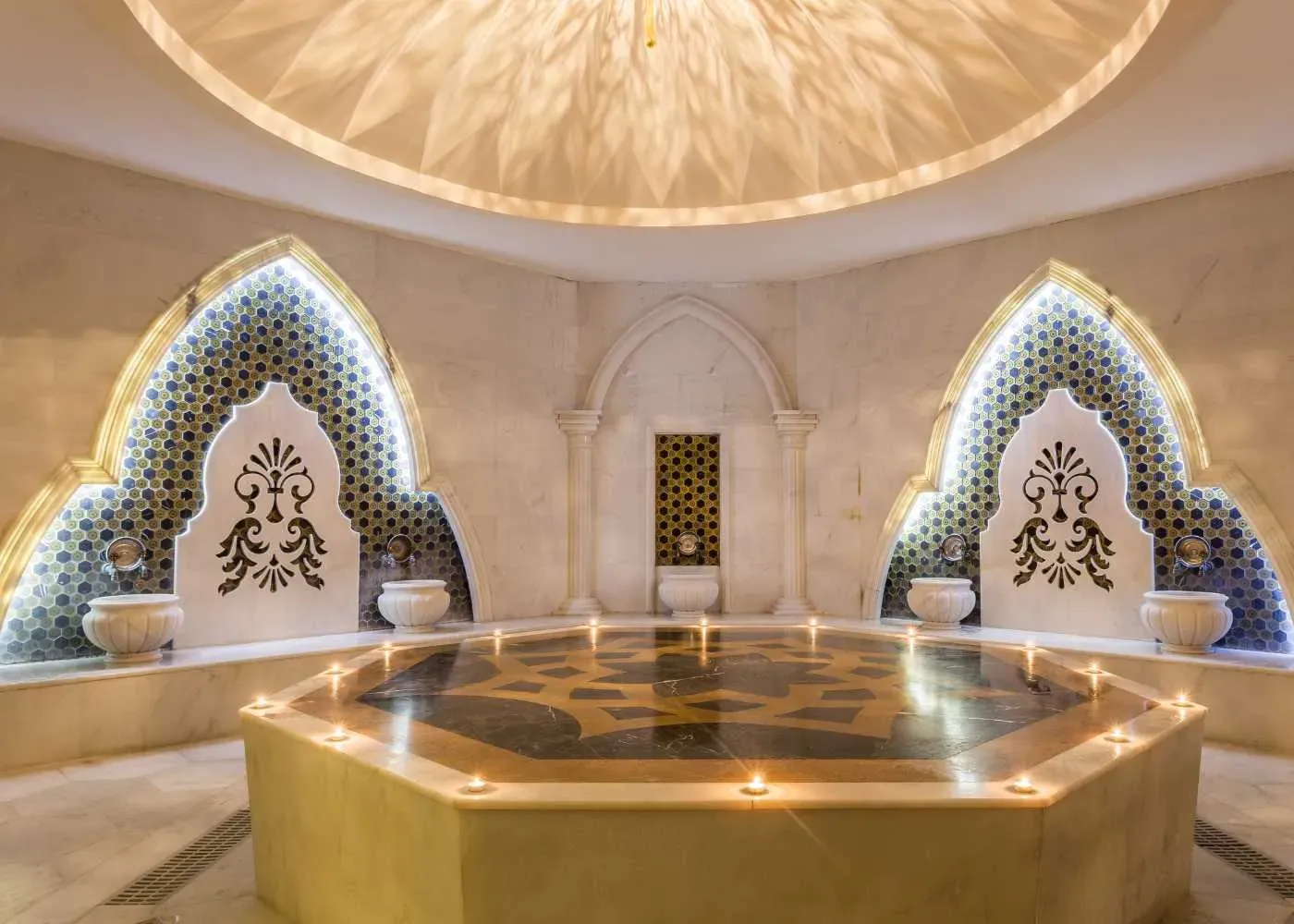
turkish hammam is a culturally rich bathhouse ritual that blends warmth, moisture, and cleansing to invite deep relaxation. In this heat-forward experience, you move through progressively warmer rooms, enjoy exfoliation, and feel the hammam ritual with its soothing touch of steam and humidity. Many guides compare hammam vs sauna and sauna vs hammam differences to help you choose, while people often weigh steam room benefits alongside these options. It also comes up in discussions of turkish bath history as wellness lore and cultural heritage. If you’re seeking a balanced combination of cleansing, hydration, and quiet reflection, this overview points to why the hammam experience resonates with many wellness goals.
Viewed through an alternative vocabulary, the traditional Turkish bath culture emerges as a ceremonial bathhouse experience that blends warmth, steam, and cleansing. Other phrases you might encounter include the hammam tradition, steam-driven spa ritual, and Turkish spa culture, all pointing to heat with generous humidity. These LSI-friendly terms tie together ideas like cleansing rituals, exfoliation, and the social or private relaxation that often accompanies a visit. Framing the topic with related concepts such as cultural heritage, bathhouse ritual, and humidity-controlled heat helps readers and search engines connect the subject to broader wellness conversations.
1) Turkish Hammam: A Cultural Ritual, History, and Modern Practice
The Turkish hammam is more than a heat source; it is a cultural ritual that blends warmth, moisture, cleansing, and social warmth. In a traditional hammam you move through a sequence of rooms with varying temperatures and humidity, creating a layered experience that never feels rushed. The result is not only physical cleansing but a sense of slowing down and reconnecting with ancient practices that have endured for generations.
In modern wellness settings, the hammam still carries the weight of turkish bath history, and the hammam ritual remains central to the experience. Clients often describe the session as a ceremonial journey—from a warm, steamy entrance to deeper cleansing scrubs and a relaxing massage—an enduring reminder that heat can be a pathway to relaxation, clarity, and social connection.
This subheading highlights how the Turkish hammam combines heat with ritual, making it distinct from other heat therapies while aligning with historical traditions and contemporary spa culture.
2) Hammam vs Sauna vs Steam Room: How Heat, Humidity, and Experience Differ
When you compare hammam vs sauna, the defining difference is humidity. The hammam emphasizes moderate to high humidity with warm, soft heat, which supports a moist, porous feel on the skin and a breathing experience that many find soothing. The sauna, by contrast, uses dry heat at higher temperatures, promoting rapid sweating in a more intense, crisp environment. The steam room sits in between, delivering thick, humid air at a lower heat to envelop you in warmth.
These differences also shape the ritual and duration. Sauna sessions often encourage shorter, intense bursts of heat followed by cooling, while hammam experiences lean into a longer, cleansing ritual with scrubs and massages. Steam rooms can feel gentler on the lungs and skin due to moisture, which can influence how long you want to stay inside and how you breathe during the session.
3) Steam Room Benefits: Humidity-Driven Comfort for Breathing and Skin
Steam room benefits center on high humidity and skin hydration. The saturated air helps open pores, soften skin, and may ease nasal congestion, making it a popular choice for people seeking respiratory comfort and a gentler heat experience. Because temperatures are typically moderate, many find that steam provides a soothing, enveloping sensation without the intensity of dry heat.
In addition to skin hydration, the humid environment can support joint comfort and a calmer nervous system for some individuals. For those with allergies or respiratory sensitivities, the steam room’s moist air can feel more breathable and less suffocating than dry heat, enabling a relaxed pace during the session.
4) The Turkish Bath History and the Hammam Ritual in Modern Spas
The concept of the Turkish bath history traces back to ancient cleansing traditions that evolved into the formal hammam ritual beloved today. Historically, these bathhouses served as social and cultural hubs as much as spaces for cleansing and renewal. This heritage informs how modern spas present the experience, balancing ceremonial steps with contemporary comfort and safety.
In today’s facilities, the hammam ritual continues to emphasize cleansing, exfoliation, and sometimes massage, all embedded within a series of heated rooms. Patrons participate in a sequence that honors the cultural roots while offering a personalized, spa-like treatment—an intersection of tradition and modern wellness that keeps the practice vibrant and meaningful.
5) Choosing the Right Heat Experience for Your Wellness Goals
Your wellness goals strongly influence whether hammam, sauna, or steam room is the best fit. If your aim is a culturally rich cleansing ritual with exfoliation and relaxation, the Turkish hammam aligns well with that intention and supports a social or ceremonial atmosphere. For quick, intense sweating and cardiovascular cues, a sauna is often preferred, while those seeking respiratory comfort and skin hydration may lean toward a steam room.
When weighing Hammam vs Sauna and Sauna vs Hammam differences, consider humidity tolerance, preferred pace, and any health considerations. If you want a longer, more languid ritual, hammam sessions may suit you. If your goal is rapid sweat and a brisk routine, sauna might be the right match. Steam rooms offer a balanced option for humid heat and gentle relief.
6) Practical Safety and Maximizing Value in Hammam, Sauna, and Steam Room Sessions
Hydration is a cornerstone of safety and maximizing benefits across all heat therapies. Drink water before and after your session to replenish fluids lost through sweating, and tailor your time inside to your tolerance level. Starting with shorter intervals and gradually increasing exposure helps you gauge how your body responds to different heat and humidity.
Other practical tips include cooling down gradually after sessions, avoiding alcohol before heat experiences, and recognizing health considerations. If you have heart conditions, high blood pressure, pregnancy, skin infections, or respiratory issues, consult a healthcare professional before regular use. For hammam rituals, follow facility etiquette and communicate any massage or scrub preferences to practitioners to ensure a safe and respectful experience.
Frequently Asked Questions
What makes a Turkish hammam unique when comparing hammam vs sauna and steam room benefits?
A Turkish hammam is a ritual-driven bathhouse experience with progressive warm rooms, high humidity, and cleansing practices. When comparing hammam vs sauna, the humidity and ritual shape the session, while steam room benefits highlight a moist heat. The overall experience emphasizes cleansing, relaxation, and a social or cultural ritual.
How does Turkish bath history influence the modern hammam ritual and experience?
Turkish bath history shapes the setting, pace, and cleansing rituals you experience today. The hammam ritual blends warmth, water, exfoliation, and massage as a cultural tradition that traces back to classical bathhouses and public rituals.
What are the health benefits of a Turkish hammam, and how do they compare with sauna vs hammam differences and steam room benefits?
Benefits include relaxation, improved circulation and skin cleansing, often with exfoliation as part of the ritual. Steam room benefits focus on hydration and airway comfort, while sauna vs hammam differences emphasize the contrast between dry heat and humid, multi-room cleansing.
What should first-time visitors know about the hammam ritual in a Turkish hammam?
Expect a sequence of warm rooms, cleansing scrubs, exfoliation, and possibly a massage. Respect facility etiquette, stay hydrated, and start with shorter exposures to gauge tolerance; the ritual is as much cultural as it is heat.
How should you choose between a Turkish hammam, a sauna, and a steam room based on humidity and heat preferences?
If you crave enveloping humidity and cleansing rituals, choose a Turkish hammam. For dry, intense heat and brisk sweating, pick a sauna; for humid heat and respiratory comfort, a steam room is a good fit. This aligns with the sauna vs hammam differences and steam room benefits considerations.
What is a typical hammam ritual sequence in a Turkish hammam and how does it reflect Turkish bath history?
A typical hammam ritual includes a warm room, a fragrant steam phase, exfoliation with a mitt, and massage, culminating in relaxation. This sequence embodies Turkish bath history and the cultural focus on cleansing and renewal beyond mere heat.
| Aspect},{ | |||
|---|---|---|---|
| Heat type and humidity | moderate-to-high humidity; warm temperatures | dry heat; high temperatures; low humidity | high humidity; moderate to warm temperatures |
| Experience and rituals | progressive rooms; cleansing, exfoliation; massage; cultural ritual | solitary or social; heat-focused; hydration breaks; cooling | straightforward heat; can be meditative; spa circuit |
| Core benefits | cleansing; muscle relaxation; cultural ritual; slower pace | muscle relaxation; cardiovascular conditioning; mental calm | respiratory comfort; skin hydration; joint/muscle soothing |
| Safety and comfort considerations | hydration; gentle exfoliation; cultural practices; skin sensitivity; social aspects | hydration; start slow; avoid alcohol; heat tolerance | hydration; shorter sessions; breathing; monitor for respiratory issues |
| Who should try | culturally rich cleansing; exfoliation and massages lovers | dry heat; quick, intense sweating; cardio cues | humid heat; respiratory relief; skin hydration |
| Practical tips to maximize value | ritual sequence; hydrate; cool down | hydrate; intervals; cool shower | breathing; shorter sessions; rehydrate |
| What to expect in everyday use | mixed circuit; exfoliation and massage; social aspect | quiet or social; heat-focused; post-session cooling | short visits; part of spa circuit; humid environment |
| Choosing based on goals | culture, ritual-focused cleansing; social experience | dry heat; rapid sweating; cardio cues | humid heat; respiratory relief; skin hydration |
Summary
turkish hammam offers a rich, culturally rooted cleansing ritual that blends warmth, moisture, and massage into a holistic wellness experience. This descriptive comparison highlights how the turkish hammam differs from dry-heat saunas and humid steam rooms, emphasizing cleansing rituals, social or solitary atmospheres, and targeted benefits for relaxation, skin health, and muscle relief. If you seek a traditional bathhouse atmosphere with exfoliation and massages, turkish hammam stands out as a complete ceremonial practice; for quick, intense sweating in dry heat, sauna delivers cardiovascular cues; and for breathable, hydrating warmth, steam room supports respiratory comfort and skin hydration. Your best choice depends on personal comfort, health goals, and schedule, and you might even enjoy experiencing all three at different times to gauge your body's response.