
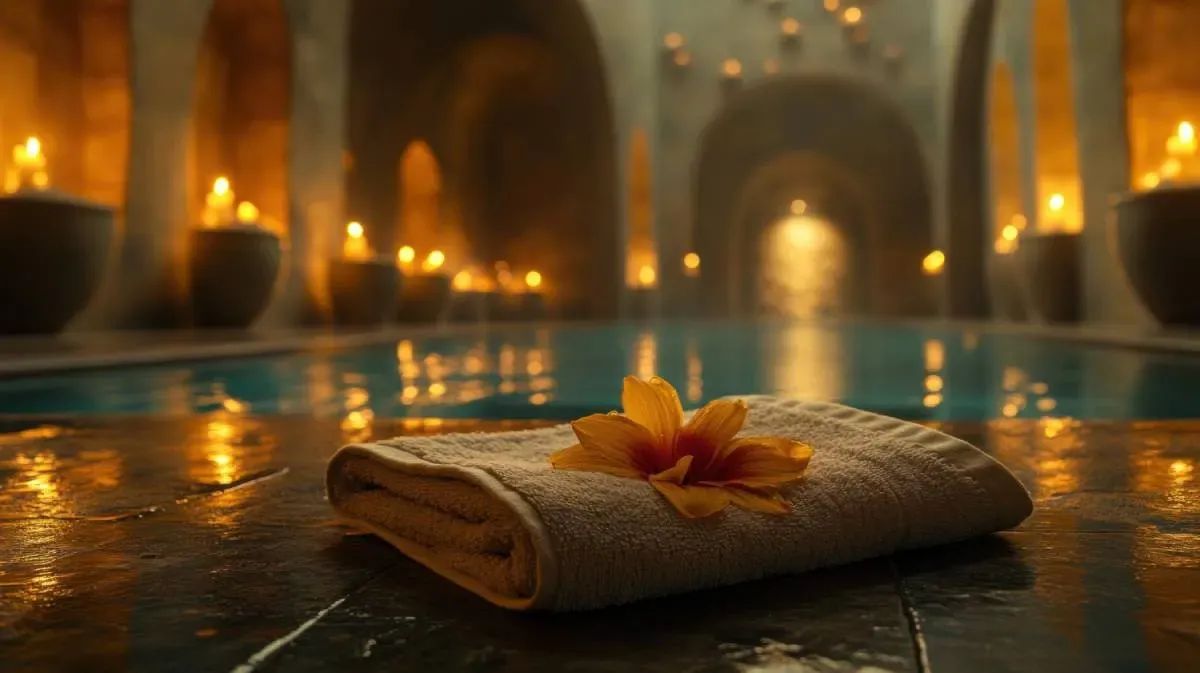
Turkish bath benefits, often described as hammam benefits, extend beyond heat and steam to weave ritual, cleansing, and overall well-being into a holistic experience. This introductory guide highlights how the practice can support relaxation benefits, detox benefits, and skin health benefits as part of a consistent Turkish bath routine. Readers will discover practical tips to maximize comfort, safety, and enjoyment during hammam visits. The narrative emphasizes how the heat, humidity, cleansing rituals, and massage contribute to a calm mood, improved circulation, and a refreshed sense of vitality. Approached mindfully, the hammam experience can support long-term well-being as a structured wellness habit.
Viewed through an alternative vocabulary, this age-old steam bath tradition can be described as a traditional hammam ritual, a Turkish spa experience, or a bathhouse routine that blends heat, humidity, and care. In this framing, the same benefits emerge—from deeper relaxation and improved circulation to skin cleansing and a refreshed mood—understood as relaxation benefits, detox-like effects, and skin vitality. LSI-style terms such as cleansing ritual, exfoliation with kese, soap washing, and massage help search engines associate the topic with related queries and user intents. Whether you visit a historic hammam or a modern spa, framing the experience around warmth, moisture, and mindful pacing supports safe, enjoyable wellness. By adopting this broader vocabulary, readers can grasp how the practice fits into skincare, fitness recovery, and stress management without relying on a single label.
Understanding the Science Behind Hammam Benefits
To appreciate hammam benefits, it's helpful to look at how heat and humidity affect the body. The heat causes vasodilation, increasing blood flow and warming muscles, while humidity supports skin cleansing and pore opening. Together with ritual cleansing actions, these elements underpin the physical and sensory gains that many call hammam benefits.
This combination creates a cascade that can improve relaxation benefits and light detox effects. When the body senses safety and care in the Turkish bath routine, the brain can release endorphins and switch toward a parasympathetic state, supporting mood, sleep, and overall well-being.
Relaxation Benefits of the Turkish Bath Experience
The temperature and rhythm of the hammam invite deep relaxation. Slow breaths, quiet space, and the scent of eucalyptus contribute to a meditative atmosphere that reduces muscle tension in the neck, shoulders, and back.
Regular exposure can become a reliable anchor for stress management, helping sleep quality and daytime resilience. The Turkish bath benefits here extend beyond the session, supporting a calmer mental state and better recovery from training or busy days.
Detox Benefits and Circulation in a Hammam Session
Sweating in heat and humidity can feel cleansing, and while the body detoxifies primarily through the liver and kidneys, increased blood flow helps deliver oxygen and nutrients to tissues and supports muscle recovery.
Enhanced lymphatic flow and mindful hydration complete the picture, offering a local sense of renewal rather than a miracle toxin purge. This is the detox benefits pathway that aligns with improved circulation and joint comfort.
Skin Health Benefits from Heat, Steam, and Exfoliation
Warm humidity helps open pores, allowing trapped oil and impurities to rinse away more effectively during cleansing. Exfoliation with kese promotes smoother skin texture and better product absorption.
With regular hammam experiences, the skin can look radiant as circulation increases to the surface. Pairing sessions with a consistent skincare routine, hydration, and gentle exfoliation is essential to maintain healthy results.
Turkish Bath Routine: A Practical Guide to Maximizing Benefits
A thoughtful Turkish bath routine starts with pre-bath hydration and light nourishment, then stepping into heat gradually to acclimate.
Follow with cleansing, exfoliation, and a soothing massage, then finish with post-bath rest and hydration. This routine supports relaxation, detox, and skin health benefits by sequencing heat, cleansing, and nourishment.
Safety, Accessibility, and How to Integrate Hammams into Your Wellness Life
Safety first means hydrating, listening to your body, and communicating comfort levels to staff. People with certain health conditions should seek medical advice before trying a hammam.
With mindful scheduling, accessibility, and integration with skincare and fitness goals, you can make hammams a sustainable part of your wellness lifestyle.
Frequently Asked Questions
What are the relaxation benefits of a Turkish bath, and how does the hammam experience support stress reduction?
Turkish bath benefits include deep relaxation from heat and humidity that ease muscular tension and promote parasympathetic nervous system activation. The hammam ritual—slow movements, soothing scents, and mindful breathing—helps lower perceived stress and can improve sleep quality when practiced regularly.
What detox benefits does a Turkish bath provide, and how do sweating and circulation support recovery?
Detox benefits come from sustained heat and humidity that induce sweating, along with increased blood flow. This enhanced circulation helps deliver nutrients to tissues, supports muscle recovery, and can leave you feeling refreshed, especially when you rehydrate after the session.
What skin health benefits can regular hammam sessions deliver for the complexion?
Skin health benefits arise from opened pores, effective cleansing, and exfoliation with a kese, which remove surface impurities and promote smoother texture. Regular hammam experiences can enhance hydration and glow when paired with a consistent skincare routine.
What is the Turkish bath routine, and how does following it maximize the overall benefits?
A typical Turkish bath routine includes preparation, heat exposure, cleansing and exfoliation, massage or rinse, and post‑bath rest. Following this progression helps optimize relaxation benefits, supports gentle detox, and improves skin health by preparing and nourishing the skin at each stage.
Who should consider safety precautions to safely enjoy hammam benefits?
People with cardiovascular issues, dehydration, open wounds, contagious skin infections, or pregnancy should seek medical advice before participating. Hydration before and after, gentle pacing, and clear communication with staff help you access the hammam benefits safely.
How do the heat and humidity in a Turkish bath contribute to relaxation benefits and improved skin health?
Heat causes vasodilation and muscle loosening, while humidity supports pore cleansing during cleansing and exfoliation. This combination strengthens relaxation benefits and supports skin health by promoting cleansing, improved circulation, and more effective absorption of moisturizers after the session.
| Aspect | Key Points | Notes / Benefits |
|---|---|---|
| What is a Turkish bath (hammam)? | Heat, humidity, and ritual; progression from cleansing and steam to exfoliation and massage | Promotes relaxation, a gentle detox, and skin health as part of a holistic wellness routine. |
| Core benefits: Relaxation | Heat and steam ease tension; calm mind; parasympathetic activation; meditative atmosphere | Supports better sleep, reduced stress, and daytime resilience. |
| Detox and circulation | Sweating with heat/humidity; increased blood flow; improved lymphatic drainage; hydration matters | Feelings of renewal; better recovery and refreshed limbs when hydrated. |
| Skin health benefits | Pore opening; exfoliation with kese; enhanced absorption of moisturizers after sessions | Radiant complexion with improved texture when paired with a consistent skincare routine. |
| The Turkish bath routine (summary) | Pre-bath hydration; enter steam room; cleansing/exfoliation; massage/final rinse; post-bath rest and hydration | Structured sequence helps maximize relaxation, detox, and skin benefits while reducing overheating risk. |
| Practical integration & safety | Consistency, gradual exposure, and tailoring to schedule; safety: hydration, pacing, and staff communication | Safe, sustainable practice when limits are respected; consider medical advice for certain conditions. |
| Cultural context & adaptation | Tradition meets modern spa settings; core principles remain heat, humidity, ritual, and care | Accessible globally; emphasizes mindful self-care and balance within contemporary lifestyles. |