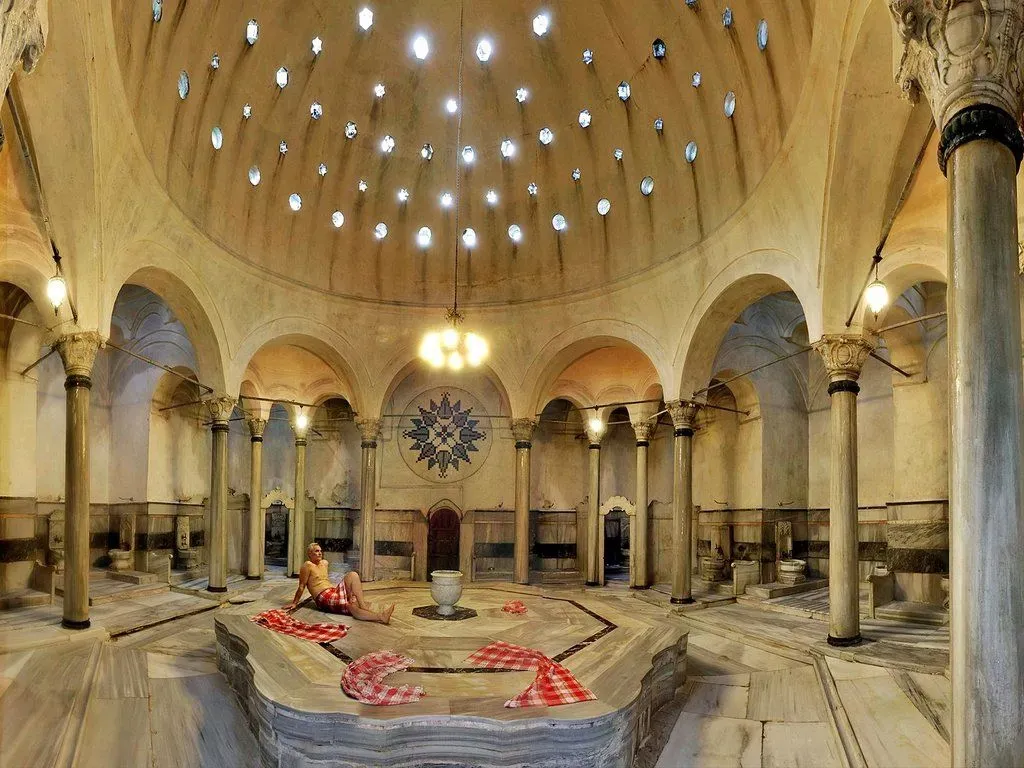
Istanbul Turkish Hammams invite visitors into more than a bathhouse; they are living archives of a city’s history and culture, where centuries of social life, ritual cleanliness, and public gathering unfold beneath warm marble and softly glowing light. This tradition carries Turkish bath history forward as a living art form, evolving from Roman and Byzantine wellness spaces, absorbing Ottoman sensibilities, and transforming everyday cleansing into a social ritual that glues neighborhoods through shared routines. The architecture of these spaces—domed ceilings, star-shaped skylights, carved tiles, and gleaming marble—speaks to Istanbul hammams architecture as a language of hospitality and authority, guiding breath, posture, and movement through rooms designed to warm, cleanse, and soothe. Within the steaming rooms, Turkish bath culture encourages modesty, conversation, and communal care; the ritualized cleansing and massage echo longstanding Ottoman bath rituals that shaped public life, commerce, and storytelling in districts from Eminönü to Beyoğlu. For first-time visitors, learning simple Hamam etiquette Istanbul—like speaking softly, tipping discreetly, sharing space respectfully, and following attendants’ guidance—helps you savor the experience while honoring a venerable tradition that has thrived alongside Istanbul’s mercantile vigor and cosmopolitan charm.
Seen from another angle, the Istanbul bath experience can be described as a traditional Turkish bathhouse ritual, a steam-soaked spa rooted in public life, and a heritage wellness practice that has adapted to modern tourism. In this framing, the term hamam expands to a spectrum of spaces—from bare-bones bathhouses aimed at authenticity to luxury spa pavilions offering massage and private alcoves—yet all share a common choreography: warm rooms, a cleansing scrub, foaming renders, and a reflective pause on cool slabs. The architecture supports the ritual: marble benches, heated floors, and tiled surfaces that retain heat while guiding movement and conversation. The cultural core remains hospitality—tea served after the session, soft conversation about the day, and a communal sense of calm that transcends generations. As Istanbul evolves as a global city, these steam rooms continue to function as social hubs, linking neighbors, visitors, and artisans through a shared appreciation for cleansing, care, and community.
Istanbul Turkish Hammams: A Living Tapestry of Turkish Bath History and Culture
From the baths of old Rome and Byzantium to the refined public rituals of the Ottoman era, Turkish bath history threads Istanbul’s hammams into a broader Mediterranean and Near Eastern tradition. The hamam emerged as a place not only to cleanse but to socialize, negotiate, and renew the body within a ceremonial setting. In Istanbul, the lineage is visible in the spaces themselves—steam, stone, and marble carry memory, while the practice has adapted without losing its core values of cleansing and hospitality. This is the essence behind the phrase Istanbul Turkish Hammams, a living record of how cities shape their rituals over time.
As you encounter Çemberlitaş Hamamı, Süleymaniye Hamamı, or Kılıç Ali Pasha Hamam, you witness architecture and ritual expressing power, hospitality, and culture. These historic sites embody Turkish bath culture and Ottoman aesthetics, where public bathing served as a social hub for merchants, travelers, and local residents alike. Through baths that once hosted business deals, news exchanges, and communal rituals, the city’s Turkish bath history remains a vivid force shaping daily life and collective memory.
Architectural Mastery in Istanbul Hammams: Domes, Marbles, and Göbek Taşı
Architectural mastery defines Istanbul hammams, where domed ceilings cast a celestial glow through star-shaped openings, and marble surfaces—floors, walls, and benches—offer a cool touch in heat. The göbek taşı, a large smooth marble stone, sits at the ritual’s heart, doubling as a working surface for masseurs and as a communal focal point for warmth and conversation. These elements are not merely decorative; they are functional guides for how a cleansing ritual unfolds.
The progression through the space is deliberate—an odyssey from the cooler anteroom to the hotter hararet, and finally to a cooling area (soğukluk) or plunge pool. Istanbul hammams architecture uses ventilation, acoustics, and lighting to choreograph this rhythm, ensuring the heat, steam, and water integrate with mood and memory. The result is a sanctuary where architectural form supports a traditional cleansing ritual that balances body and mind, a hallmark of Ottoman-inspired design and regional tilework.
The Ritual Rhythm: From Warmth to Coolness in the Traditional Hamam Experience
The ritual rhythm begins as warmth builds, softening skin and heightening the senses. A kese, a rough exfoliating glove, is used to scrub away dead skin while attendants or guests themselves prepare for soap and foam. The sensory sequence—heat, scrub, lather, and rinse—reflects a carefully choreographed approach to cleansing that sits at the heart of Turkish bath culture and echoes Ottoman bath rituals.
A traditional massage can be the restorative finale, sealing the cleansing and leaving a renewed sense of calm. Throughout the experience, modesty, respect, and measured conversation guide behavior in the space. The etiquette reinforces a shared, contemplative pace, turning a bath into a meditative social ritual and a moment of personal care within a public setting.
Ottoman Bath Rituals and City Life: Public Spaces as Social Hubs
Istanbul’s hammams were urban centers where commerce, gossip, and ritual cleansing converged. The social fabric of the city was woven into bathhouses that hosted merchants, travelers, and locals as they paused to renew themselves and exchange news. This intertwining of daily life with cleansing rituals highlights Turkish bath history as a living tradition rather than a mere facility for washing.
Over time, these spaces reflected evolving social norms, including gendered divisions and specific hours, while many modern hammams strive to preserve the ceremonial atmosphere. In practice, the architecture and layout continue to support a rhythm of public gathering and private care, where visitors experience a sense of imperial hospitality amid the hum of steam and conversation.
Hamam Etiquette Istanbul: Respectful Practices for Visitors
Respectful etiquette is essential in Istanbul’s traditional hamams. Privacy, modesty, and quiet voices help maintain a comfortable atmosphere for everyone. Visitors should follow dress codes, use the pestemal towel where required, and be mindful of the pace of the attendants who perform kese scrubs and massages. Understanding the social cues of a shared space is part of the cultural experience.
To honor Turkish bath culture, guests can learn a few phrases in Turkish, such as lütfen (please) and teşekkür ederim (thank you), to facilitate courteous interactions with staff. Tipping for services is customary in many hammams, and recognizing the skill and sensitivity of the attendants contributes to a respectful, positive atmosphere that preserves the ritual’s dignity for all participants.
Visiting Istanbul’s Historic and Modern Hammams: Tips for Travelers and Local Guests
Choosing the right hammam is part of the journey. Historic monuments like Çemberlitaş Hamamı, Süleymaniye Hamamı, and Kılıç Ali Pasha Hamam offer a window into the city’s architectural and cultural legacy, while modern spa-inspired spaces provide comfort without sacrificing tradition. This mix reflects Istanbul’s ongoing dialogue between the old and the new in Turkish bath history, letting visitors experience authenticity alongside contemporary relaxation.
Practical advice helps maximize the experience: research the establishment’s focus, check gender-specific hours if any, bring a towel and toiletries, and prepare for a traditional sequence that may include kese, foam, and massage. Learn a few local phrases, observe the etiquette, and allow time to absorb the surrounding neighborhood’s atmosphere—the combination of architecture, ritual, and culture makes a visit to Istanbul’s hammams more than a bath; it’s a cultural immersion.
Frequently Asked Questions
What makes Istanbul Turkish Hammams unique in Turkish bath history and architecture?
Istanbul Turkish Hammams are living landmarks of Turkish bath history and Istanbul hammams architecture. They combine Roman-inspired layouts with Ottoman aesthetics, featuring domed ceilings, starry skylights, and marble surfaces around the Göbek taşı (belly stone). These bathhouses have long served as social hubs, blending cleansing rituals with public warmth, ritual cleanliness, and architectural grandeur.
How does the traditional Istanbul Turkish Hammams experience reflect Ottoman bath rituals and Turkish bath culture?
The traditional Istanbul Turkish Hammams embody Ottoman bath rituals and Turkish bath culture through a staged cleansing experience: undressing, warming in a hot room, a kese exfoliation, soap and foam, and a restorative massage. Attendants guide guests, and the environment emphasizes modesty, respect, and a sensory rhythm of heat, water, scent, touch, and conversation that defines the public bathing culture.
What etiquette should visitors follow when visiting Istanbul Turkish Hammams?
Hamam etiquette Istanbul guidelines help ensure a respectful visit: wear appropriate attire or use a pestemal, observe modesty and privacy in mixed or separate sections, keep voices quiet, tip attendants for services, and follow staff directions for room ordering and timing of rituals. Cultural etiquette also often includes understanding gender-specific hours or days in historic baths.
Which Istanbul Turkish Hammams are must-sees for architecture lovers interested in Istanbul hammams architecture and history?
Must-see examples include Çemberlitaş Hamamı, Süleymaniye Hamamı, and Kılıç Ali Pasha Hamam. Each showcases distinctive architecture—domed ceilings, marble interiors, and carefully planned progression through warm, hot, and cool spaces—while preserving the ritual atmosphere that defines Istanbul hammams architecture and Turkish bath history.
What practical tips should I know when visiting a traditional Turkish bath in Istanbul to respect Turkish bath culture and Istanbul Turkish Hammams?
Practical tips: research the bath’s heritage status and etiquette, check dress code and whether private changing areas are available, note timings or gender-specific hours, bring towels and toiletries (or use bath-provided items), expect kese, foam, and possible massage services, and be mindful of tipping norms. If language is a barrier, learn a few Turkish phrases related to bathing etiquette.
How does Istanbul Turkish Hammams balance preservation with tourism while honoring Turkish bath history?
Preservation efforts protect historic fabric—stone, tile, steam, and ritual choreography—while allowing visitors to experience the traditions. Tourism can fund restoration but risks diluting authenticity if not managed carefully. Visitors should seek heritage-minded hammams that prioritize authentic rituals and respectful engagement with the city’s Turkish bath history.
| Aspect | Key Points |
|---|---|
| History and Legacy | Roots in Roman/Byzantine bath culture; Ottoman era transformed bathing into a social ritual; hammams were urban centers for washing, business, and news; notable examples include Çemberlitaş Hamamı, Süleymaniye Hamamı, and Kılıç Ali Pasha Hamam. |
| Architecture and Design | Domed ceilings with star openings; marble surfaces; göbek taşı; progression from warm to hot to cool; ventilation, light, alcoves, benches, and drains; materials emphasize endurance and ritual rhythm. |
| Culture, Rituals, and Etiquette | Undressing, kese exfoliation, soap/foam, and massages; emphasis on modesty and respect; historic hammams often segregated by gender hours; etiquette and hospitality in shared spaces. |
| Practical Visiting Tips | Research hammam type (historic vs modern); dress modestly; check timings; bring towel and toiletries; expect kese, foam, and massage; tipping customary; ask about language/services. |
| Notable Hammams in Istanbul | Çemberlitaş Hamamı, Süleymaniye Hamamı, Kılıç Ali Pasha Hamam – each offers unique architectural or ritual atmosphere. |
| Preservation, Tourism, and the Future | Preserve historic fabric while accommodating visitors; tourism can support restoration but risk authenticity; choose hammams balancing heritage and service. |
Summary
Istanbul Turkish Hammams are a living archive of history, architecture, and culture that invites visitors to step into a centuries-old tradition. The experience blends domed architecture, marble surfaces, and the Göbek taşı with ritual cleansing, massage, and social etiquette, illustrating how public bathing evolved from Roman and Byzantine roots into a distinctive Ottoman cultural practice. These hammams function as urban centers where architecture teaches rhythm—heat, cleansing, and relaxation—while hospitality and etiquette shape the visitor experience. Whether exploring historic landmarks like Çemberlitaş, Süleymaniye, or Kılıç Ali Pasha Hamam, or visiting a modern spa-style bath, travelers can witness preservation and adaptation coexisting with authentic ritual. Planning a visit offers a doorway to heritage, artistry, and the enduring identity of Istanbul through its Turkish bath culture.