
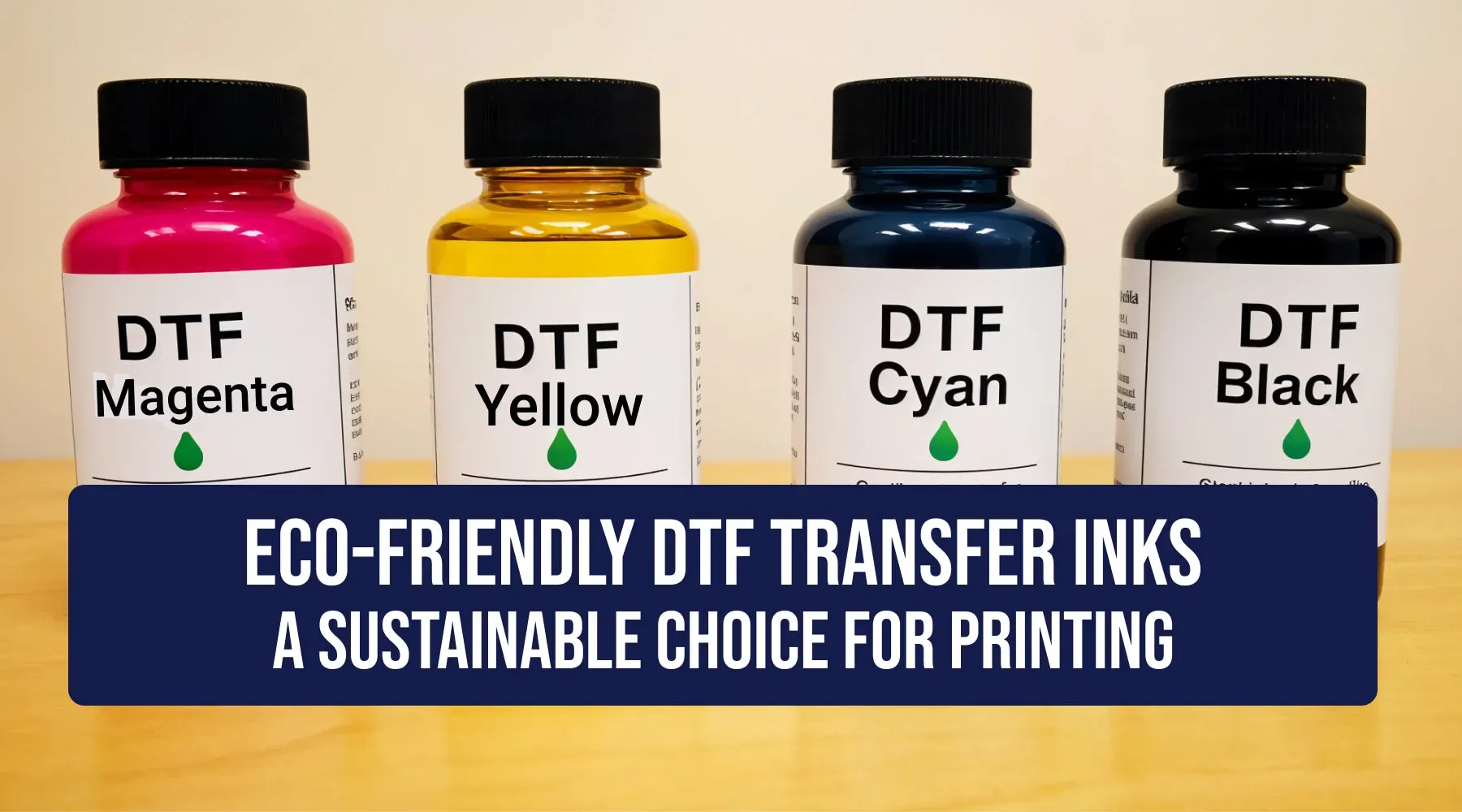
Eco-Friendly DTF Transfers are redefining apparel decoration by delivering vibrant prints with responsible production practices, merging color fidelity, soft hand-feel, and a growing commitment to greener supply chains. By embracing sustainable Direct-to-Film printing, shops can cut waste, reduce excess inventory, minimize material exposure, and unlock fast turnaround across a wide range of fabrics without sacrificing image quality. The transition toward eco-friendly inks for DTF, including water-based inks for DTF, helps lower VOCs, improve worker safety, and support compliance with environmental standards while maintaining durability and wash performance. Understanding the environmental impact of DTF transfers guides smarter material choices, from film stock and adhesive formulations to end-of-life handling, with more transparent reporting from suppliers and clearer sustainability targets. Adopting eco-conscious practices within Direct-to-Film workflows enables brands to meet greener consumer expectations while preserving speed, reliability, and the ability to scale production for evolving markets.
In other words, this movement can be described as green Direct-to-Film workflows that balance aesthetics with responsible sourcing. Related terms such as low-emission printing, recyclable liners, and sustainable media reflect the same goals. As the industry adopts safer chemistries, take-back programs, and energy-conscious operations, design, production, and logistics align with growing consumer demand. Framing the topic through these connected concepts helps readers see how greener transfers fit into a broader sustainability narrative.
Eco-Friendly DTF Transfers: What They Are and Why They Matter
Eco-Friendly DTF Transfers are a sustainable approach to garment decoration that preserves the benefits of Direct-to-Film printing—vibrant color, soft hand feel, and broad fabric compatibility—while aiming to minimize environmental impact. By adopting sustainable Direct-to-Film printing practices, shops and brands can reduce waste, lower emissions, and maintain fast lead times without sacrificing quality.
Implementing Eco-Friendly DTF Transfers starts with material choices and process controls: selecting eco-friendly inks for DTF, opting for water-based inks for DTF when possible, and choosing recyclable or reusable film components. Planning production to minimize offcuts and misprints aligns with eco-conscious Direct-to-Film practices and directly addresses the environmental impact of DTF transfers.
Sustainable Direct-to-Film Printing: Key Principles for Greener Decor
Sustainable Direct-to-Film Printing hinges on design-to-production discipline. It includes on-demand production to reduce inventory waste, smarter color management to minimize reprints, and selecting materials with lower environmental footprints. These principles support eco-conscious Direct-to-Film practices while maintaining print quality and speed.
Beyond process choices, partnerships matter. Selecting suppliers who offer eco-friendly inks for DTF, water-based inks for DTF, and recyclable or responsibly sourced films helps build a greener supply chain. Regular audits of energy use, waste streams, and end-of-life options further reduce the environmental impact of DTF transfers.
Eco-Friendly Inks for DTF: Water-Based Options and Performance
Eco-friendly inks for DTF are a cornerstone of greener outputs. Water-based inks for DTF reduce VOC emissions, improve worker safety, and—when properly formulated and cured—can deliver strong color depth and wash-fastness comparable to traditional systems.
Choosing between dye and pigment inks matters for sustainability. Pigment-based inks often offer longer life on fabrics, while dye inks can deliver vibrant color with lower environmental burden when optimized. Always test ink formulations with your printers, substrates, and heat presses to balance performance and sustainability.
The Environmental Impact of DTF Transfers: Lifecycle Considerations
Understanding the environmental impact of DTF transfers requires a lifecycle view—from raw materials to end-of-life disposal. This perspective highlights material choices, energy use, chemical handling, and waste streams that influence the overall footprint of the transfer process.
Mitigation strategies include take-back programs with suppliers, recycling or repurposing liner sheets and scraps, and selecting adhesives and films designed for recyclability. Aligning packaging and shipping with sustainable Direct-to-Film practices also reduces plastic waste and transportation emissions.
Eco-Conscious Direct-to-Film Practices: Designing, Producing, and Finishing with Care
Eco-Conscious Direct-to-Film practices begin in design. Favor simpler color palettes and efficient artwork to minimize ink usage and printing passes, supporting sustainable Direct-to-Film printing without compromising impact or reach.
During production and finishing, maintain proper ventilation, implement safe handling for inks, and train staff on spill response and waste separation. Transparent communication with customers and stakeholders about the sustainability choices—such as water-based inks for DTF and eco-friendly films—builds trust and drives responsibility.
Implementing a DTF Sustainability Plan: Practical Steps for Teams
Implementing a DTF sustainability plan starts with a practical materials audit, followed by targets for ink usage, energy efficiency, and waste reduction. Source eco-friendly inks for DTF and eco-conscious Direct-to-Film films, and pilot water-based inks for DTF to verify performance.
Establish clear measurement and reporting: track waste diverted from landfill, energy saved, and improvements in water use, then share progress with teams and customers. A phased approach—from pilot to full-scale adoption—helps demonstrate ROI and strengthens your brand’s environmental commitment.
Frequently Asked Questions
What are Eco-Friendly DTF Transfers and how do they fit into sustainable Direct-to-Film printing?
Eco-Friendly DTF Transfers describe a set of practices, materials, and workflows that reduce the environmental footprint of Direct-to-Film printing while preserving print quality. The approach prioritizes eco-friendly inks for DTF (often water-based inks for DTF), recyclable or responsibly sourced film, and responsible waste handling. Implementing these elements supports sustainable Direct-to-Film printing without compromising color depth, softness, or production speed.
How do eco-friendly inks for DTF and water-based inks for DTF influence the environmental impact of DTF transfers?
Using eco-friendly inks for DTF and water-based inks for DTF reduces VOC emissions, improves worker safety, and lowers chemical load, with performance that remains competitive when printers are properly calibrated and cured.
What materials and practices support eco-conscious Direct-to-Film practices in Eco-Friendly DTF Transfers?
Eco-conscious Direct-to-Film practices favor materials and workflows designed for recyclability and lower emissions. Choose films, liners, and adhesives with safer chemistries and better end-of-life options, and implement waste recovery and energy-saving measures.
What steps can a shop take to implement sustainable Direct-to-Film printing while using Eco-Friendly DTF Transfers?
Start with a materials audit, optimize color management and print-before-cut workflows to minimize waste, calibrate ink usage, and invest in energy-efficient equipment. Train staff on safe handling and continuously monitor performance to maintain quality and sustainability.
Which ink types are most sustainable for DTF transfers—pigment vs dye—and how does that relate to Eco-Friendly DTF Transfers?
Pigment inks often offer longer wear and fewer reprints, which can reduce waste, though dye inks can also be formulated for sustainability. For Eco-Friendly DTF Transfers, prioritize low-VOC, water-based or other eco-friendly ink chemistries and test their performance on your fabrics to balance sustainability with durability.
How can a small business evaluate and improve the environmental impact of DTF transfers as part of Eco-Friendly DTF Transfers?
Perform a materials audit, set measurable targets (waste, water, energy), explore supplier take-back programs, monitor energy and waste, and transparently report progress to customers. Use data-driven improvements to continuously advance eco-friendly DTF practices.
| Topic | Key Points | Notes/Examples |
|---|---|---|
| What Eco-Friendly DTF Transfers are | A framework of best practices, materials, and workflows designed to minimize environmental impact while preserving the benefits of DTF technology. | Includes sustainable Direct-to-Film printing concepts, eco-friendly inks, water-based inks, and related topics. |
| Inks and Formulations | Shift toward eco-friendly inks for DTF: water-based inks, low-VOC formulations; pigment vs dye inks implications for emissions, durability, and color performance. | Considerations for wash-fastness and color depth depending on ink type. |
| Materials and End-of-Life | Film, release layer, and adhesive choices impact recyclability; seek recyclable liners and safer adhesives; plan end-of-life handling. | Lifecycle thinking across suppliers and packaging; recyclability goals. |
| Process Optimization | Reduce waste, optimize ink usage, and improve energy efficiency; print-before-cut, color management, and reuse/recovery streams. | Calibration and planning examples to minimize color-cut waste; energy-conscious production routines. |
| Practical Steps to Implement |
|
See the detailed steps outlined in the content above. |
| Quality, Performance, and Sustainability | Eco-friendly inks can meet or exceed traditional performance when printers are properly calibrated and curing is optimized; ink depth, color vibrancy, and hand feel are considered alongside environmental goals. | Performance is influenced by printer calibration, substrate selection, and curing; balance aesthetics with sustainability. |
| Environmental Footprint of DTF | DTF offers advantages in on-demand production and potentially lower water use, especially with eco-friendly inks and recycling-minded workflows. | True environmental performance depends on energy use, chemical handling, and end‑of‑life options; compare with screen printing, DTG, and heat transfer vinyl. |
| Case Study: Mid-Sized Shop | A shop transitioning from screen printing to Eco-Friendly DTF Transfers saw reduced water usage and ink waste, lower chemical exposure, faster turnaround, and a more transparent supply chain. | ROI varies with initial equipment costs and ongoing savings in waste disposal and efficiency. |
Summary
Eco-Friendly DTF Transfers represent a broader shift toward sustainable Direct-to-Film printing in the textile industry. By prioritizing eco-friendly inks for DTF, water-based formulations, recyclable films and safer adhesives, and by implementing waste-reduction and energy-efficiency measures, brands can maintain high print quality while reducing environmental impact. This approach supports on-demand production, reduces chemical exposure, and enhances transparency across the supply chain. As consumer demand for greener apparel grows, adopting sustainable DTF practices helps shops stay competitive and responsible.