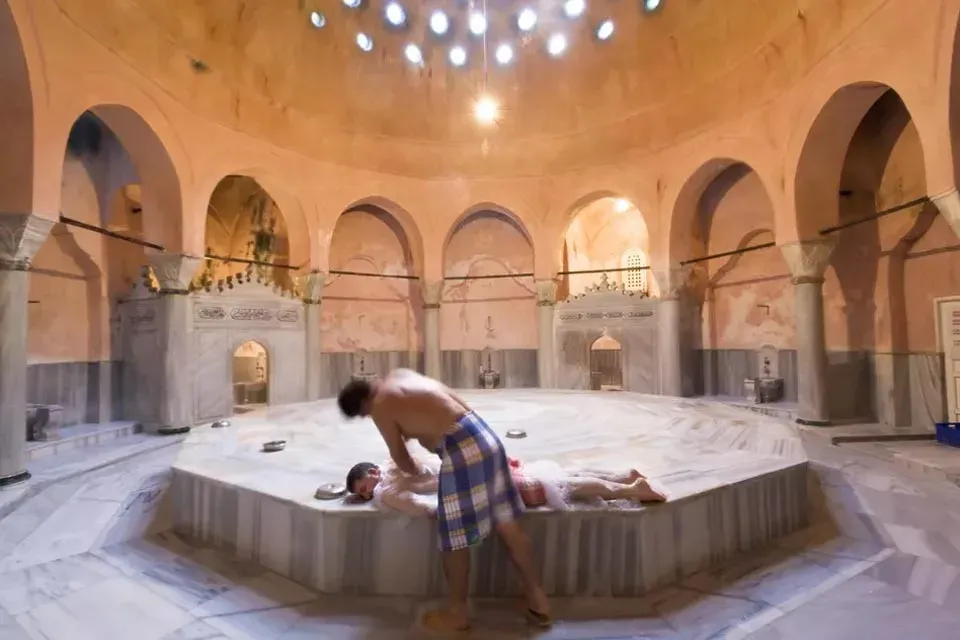
Traditional Turkish Bath is more than a spa ritual; it opens a doorway into centuries of cleansing, social connection, and renewal. Across centuries, hammam history informs today’s experiences, where heat, steam, and marble create a setting that invites quiet reflection and shared warmth. The Turkish bath process unfolds in a choreographed sequence—from preparation to hot rooms and a kese exfoliation to a foaming cleanse—illustrating a time-honored spa culture that travelers seek today. Participants discover wellness rituals that blend physical cleansing with mindfulness, making the Traditional Turkish Bath a holistic route to relaxation and social renewal. In short, the Turkish bath experience offers sensory warmth, skilled touch, and a sense of community that continues to shape modern spa culture worldwide.
Beyond the traditional terms, this enduring steam-and-sanctuary heritage can be described as a bathhouse ritual rooted in communal wellness and restorative heat. Visitors encounter a carefully designed environment where warm rooms, fragrant oils, and soothing contact foster balance of body and mind. The experience is framed by architectural grandeur, social etiquette, and rituals that connect guests to a long lineage of cleansing without losing contemporary comfort. Modern wellness spaces often borrow the sensorial language of these historic houses, presenting a hybrid model that respects origin while inviting global guests. In essence, the Turkish bath lifestyle is a holistic encounter—steam, touch, and conversation woven into a timeless practice that continues to inspire spa and wellness cultures around the world.
Traditional Turkish Bath: A Living Tradition of Hammam History and Spa Culture
The Traditional Turkish Bath stands as more than a ritual; it is a living thread in a long tapestry of hammam history and spa culture. From the marble slabs and domed ceilings of historic bathhouses to the quiet, social spaces that follow cleansing, these baths have long signaled hospitality, health, and communal renewal. The journey through hammam history reveals how architecture, ritual, and social etiquette came together to create a powerful wellness experience that transcends generations.
Today, the Traditional Turkish Bath continues to influence modern wellness spaces, blending centuries of practice with contemporary comfort. Visitors encounter the same core elements—heat, cleansing, exfoliation, and relaxation—within settings that range from ancient public baths to boutique spas. This continuity underscores how spa culture across time has valued a mindful pace, shared spaces, and a holistic approach to body and mind.
Hammam History Revealed: Tracing the Evolution from Roman Baths to the Turkish Bath Experience
Hammam history stretches back to ancient civilizations, where steaming rooms prepared individuals for daily duties and spiritual practices. The route from Roman baths through Byzantine traditions to the Ottoman Empire marks a remarkable evolution in how cleansing spaces were conceived and used. In these shifts, the architecture—arched passageways, tessellated tiles, and steam-filled rooms—became a language of wellness, hospitality, and community that defined the Turkish bath experience.
As hammam history progressed, the ritual transformed from public ritual to a spectrum of experiences—from grand, purpose-built hammams to private or boutique variations. Yet the essence remained the same: a space designed for body refreshment, social connection, and mindful rejuvenation. The enduring appeal lies in how these centuries-old practices continue to inform today’s spa culture and wellness rituals around the world.
The Turkish Bath Process: Step-By-Step Rituals That Define the Hammam Experience
The Turkish bath process is a choreography built around heat, humidity, and tactile care. From arrival and preparation to the tepid room, hot room, and the intense steam of hararet, each stage primes the skin and senses for cleansing. A kese exfoliation—using a rough mitt—removes dead skin and stimulates circulation, highlighting how the hammam process blends physical care with sensory immersion.
Following exfoliation, a foamy cleanse and massage wrap the body in soothing foam, while attendants tailor pressure and technique to comfort. The rinse and cool-down invite a moment of stillness, often in a quieter space before rejoining the world outside. Optional rituals, such as oil massages or aromatic infusions, further enrich the Turkish bath process and illustrate the diverse spa culture surrounding the hammam experience.
Wellness Rituals of the Hammam: Mindful Cleansing, Exfoliation, and Relaxation
Wellness rituals in the hammam emphasize slow, deliberate movement that honors the body’s rhythms. The heat and steam support respiratory comfort and ease muscular tension, while exfoliation improves skin texture and circulation. This mindful cleansing—paired with a calm, unhurried pace—cultivates a state of mental calm and sensory renewal that many adopters seek in pursuit of holistic well-being.
Beyond the physical benefits, the social and contemplative aspects of hammam wellness rituals contribute to a balanced sense of well-being. The experience invites patience, self-care, and a mindful attitude toward cleansing, turning a bath into a mindful practice. In quiet spaces or shared rooms, the ritual also nurtures a sense of belonging within spa culture and a community that supports renewal of body, breath, and spirit.
Spa Culture and Social Space: Architecture, Etiquette, and Community in the Hammam
The spa culture surrounding the hammam is deeply shaped by architecture and ritual. Domed ceilings, warm marble slabs, and tessellated tiles create a sensory environment that signals ritual, hospitality, and communal space. This architectural language supports a spa culture that values modesty, courtesy, and the shared experience of cleansing as a social act rather than a solitary routine.
Etiquette matters in the hammam, guiding conversations, pacing, and the way guests engage with attendants. Soft-spoken dialogue in hot rooms, waiting for others to finish tasks in communal areas, and respectful handling of personal care items reflect a tradition that respects both individuals and the space. This etiquette, coupled with the architecture, helps sustain a welcoming community that remains at the heart of the Turkish bath experience.
The Turkish Bath Experience Worldwide: From Historic Istanbul Baths to Modern Global Spas
Today’s global wellness landscape shows how the Turkish bath experience has traveled from historic Istanbul baths to modern spas around the world. The influence of hammam history and Turkish bath process is evident in design elements, service menus, and the emphasis on heat, cleansing, and mindful pause. Travelers and locals alike seek a cultural immersion that blends authentic ritual with contemporary luxury within spa culture.
Whether in boutique retreats, hotel spas, or urban wellness centers, the Turkish bath experience remains anchored in core principles: cleansing, warmth, and a moment of pause. Modern adaptations honor tradition while offering accessible ways to explore wellness rituals, exfoliation, and massage in a setting that respects origins. In this way, the ancient practice continues to inspire rejuvenation and connection across diverse communities worldwide.
Frequently Asked Questions
What is a Traditional Turkish Bath and how does hammam history shape its experience?
A Traditional Turkish Bath, or hammam, is a cleansing ritual rooted in hammam history that blends heat, steam, exfoliation, and relaxation. Its origins trace from Roman baths through Byzantine and Ottoman practices, shaping public spaces and social rituals that continue to influence modern spa experiences.
What is the Turkish bath process in a traditional setting, and what steps should first-time visitors expect?
The Turkish bath process typically follows a sequence: warm room, hot room with steam, kese exfoliation, foaming cleanse and massage, then rinse and cool-down. Visitors should communicate comfort levels, hydrate, and respect the pace of the ritual.
How do wellness rituals in a Traditional Turkish Bath support relaxation and well-being?
Wellness rituals in a Traditional Turkish Bath blend heat, steam, exfoliation, and mindful pacing to ease muscle tension, promote circulation, and quiet the mind. The slow, sensory experience encourages mindful self-care and renewal.
How does spa culture influence the Traditional Turkish Bath today?
Spa culture around hammams today marries centuries-old rituals with contemporary comfort, hospitality, and etiquette, creating spaces that emphasize cleansing, community, and rejuvenation. Visitors can expect thoughtful service paired with a respectful, shared atmosphere.
What makes the Turkish bath experience unique within modern spa settings?
The Turkish bath experience combines heat, cleansing (kese), exfoliation, and massage in a ceremonial, social context that distinguishes it from typical spa treatments. Its emphasis on tradition, ritual, and mindful pace defines the experience.
What safety and etiquette should visitors observe in a Traditional Turkish Bath, and how does this reflect hammam history?
Prioritize hydration, communicate pressure and sensitivities, and move calmly between rooms; observe quiet conversation in hot spaces and wait your turn for cleansing rituals. This approach echoes hammam history’s hospitality and the respectful, shared nature of spa culture.
| Aspect | Key Points |
|---|---|
| Definition |
A hammam is a ritual of cleansing that combines heat, steam, exfoliation, and massage to refresh body, mind, and social bonds. |
| History & origins |
|
| The Turkish bath process: steps and rituals |
|
| Sensory experience |
The warmth on the skin, the scent of soaps and oils, the soft murmur of conversation, and the sight of marble and tile create a soothing, ritualized atmosphere. |
| Wellness benefits |
|
| Cultural context and architecture |
|
| What to expect when you visit a hammam |
|
| Choosing a hammam and planning your visit |
|
| The Turkish bath experience in today’s world |
|
| Health, safety, and etiquette reminders |
|
Summary
Traditional Turkish Bath invites you into a centuries-old culture of cleansing, social connection, and rejuvenation. This descriptive overview highlights how hammam rituals blend heat, cleansing, exfoliation, and relaxation within architectural spaces that foster community. From ancient origins to today’s global spa culture, the practice emphasizes mindful pacing, respectful etiquette, and a sensorial journey that nourishes body, mind, and social ties. Whether visiting a historic bathhouse or a modern spa inspired by hammam design, the core principles remain the same: heat, cleansing, exfoliation, and relaxation, offering a holistic wellness experience that invites pause, reflection, and renewed vitality.