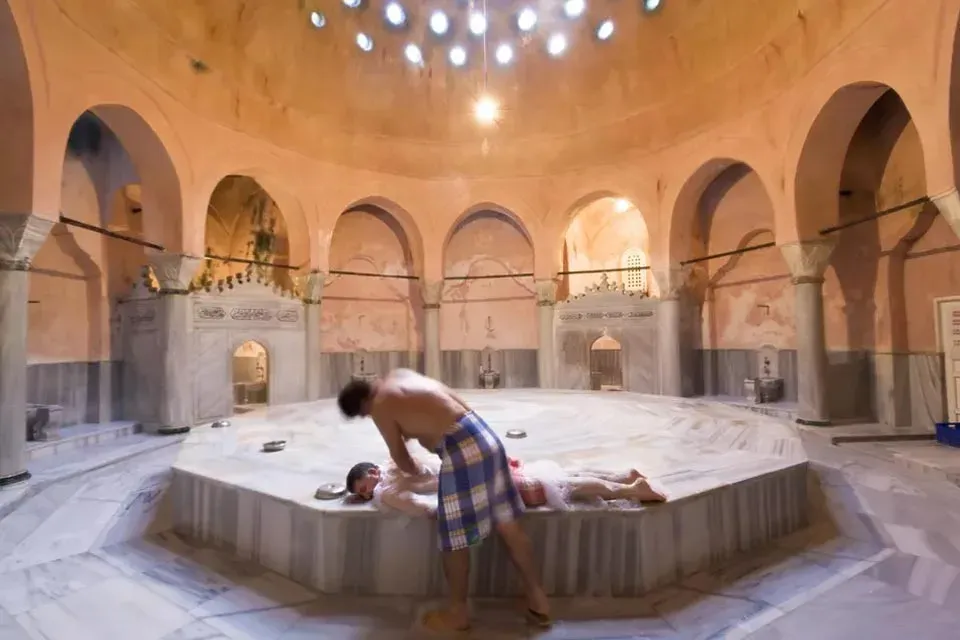
Turkish bath tourism offers travelers a doorway into a long-standing tradition of cleansing, socializing, and relaxation that dates back to the Ottoman era and beyond. From Istanbul’s marble-lined hammams to seaside spa hotels along the Aegean, visitors engage with a bathhouse tourism in Turkey that blends culture, warmth, and community. This is more than a spa visit; it is an opportunity to understand a country’s hospitality, architecture, and social customs, and to embrace Turkish bath etiquette with respect. In this guide, practical hammam tips and a thoughtful hammam travel guide help you approach Turkish bath tourism with curiosity while honoring etiquette. By embracing the ritual, you’ll discover a centuries-old tradition that blends cleansing, conversation, and cultural insight.
Viewed through an LSI lens, this enduring Turkish wellness practice is also known as the Ottoman bath, a steam-and-massage tradition at the heart of regional spa culture. Beyond the term hammam, travelers encounter a spectrum of experiences—from public baths housed in historic architecture to contemporary wellness retreats offering kese scrubs, foam massages, and restorative rituals. This broader framing connects bathhouse heritage, Turkish spa etiquette, and local customs across cities and coastlines, enriching your journey with related concepts and contextual depth. As you plan, consider steam baths, thermal springs, and cultural immersion that complement sightseeing, cuisine, and other cultural encounters to create a balanced itinerary.
1. Understanding the Turkish Hammam Experience: From Arrival to Rinse
From the moment you arrive at a hammam, the Turkish hammam experience unfolds as a carefully choreographed ritual that blends cleansing, steam, and social spaces. You’ll move through a sequence of rooms designed to progressively raise warmth and humidity, culminating in a refreshing rinse and sometimes a foam massage. This immersive process is not merely about cleanliness; it’s a cultural practice that offers insight into Turkish hospitality and architectural elegance, making it a cornerstone of bathhouse tourism in Turkey.
As part of a practical hammam travel guide, expect a clear rhythm: check-in, changing, the ablution space, the warmth of the steam room, and the option for a traditional kese exfoliation. Your experience will be shaped by staff recommendations, personal comfort, and the particular traditions of the facility. Embracing the ritual mindset enhances your Turkish hammam experience and helps you appreciate the social and sensory dimensions of the visit.
2. Turkish Bath Etiquette and Respectful Conduct in Hammams
Turkish bath etiquette sets the tone for respectful interaction and a positive experience for everyone. Observing modesty, consent, and appropriate behavior helps visitors engage meaningfully with a centuries-old tradition. Familiarize yourself with local norms, including attire—often a swimsuit, towel, or pestemal—and the idea that some steps, like the kese scrub, are professional services you may decline or request to modify.
Beyond dress and consent, mindful communication is key. Tipping modestly for attendants who provide exfoliation and foam massages is common, and listening to staff guides the session flow. A courteous approach—asking for preferences, respecting boundaries, and following staff directions—contributes to a smoother, more enjoyable experience while honoring the cultural context of bathhouse tourism in Turkey.
3. Hammam Tips for a Comfortable and Authentic Visit
Maximize comfort with practical hammam tips that support a smooth, authentic experience. Hydration before and after sessions is essential, as steam can be dehydrating, and plan for time flexibility since sessions can vary from 30 to 90 minutes. Wearing non-slip footwear and avoiding creams or oils beforehand helps the exfoliation process go smoothly and reduces the risk of slips in wet areas.
Tailor the experience to your preferences—whether you want a brisk, brisk kese scrub or a gentler cleanse—and communicate clearly with attendants. Choosing appropriate options—such as aromatherapy, additional massages, or moisturizers—within a budget and time frame is part of a well-prepared hammam travel guide approach, ensuring you get the most meaningful Turkish bath experience while respecting local practices.
4. Choosing the Right Hammam: A Guide to Bathhouse Tourism in Turkey
Not all hammams offer the same experience. Historic baths showcase architectural grandeur, with marble interiors and centuries-old rituals, while modern facilities emphasize wellness amenities and spa services. When evaluating options for bathhouse tourism in Turkey, consider the balance between heritage, comfort, language accessibility, and price. Historic venues may offer a more authentic atmosphere, while newer spa-like settings can provide smoother hospitality services.
Accessibility and logistics matter as well. Some historic baths feature stairs or uneven floors, so inquire about accessibility in advance. A good Hammam travel guide will help you compare packages, whether you seek basic cleansing or a full routine with kese, foam massage, and aromatherapy, ensuring you select a facility that aligns with your comfort level and travel goals.
5. A Traveler’s Hammam Travel Guide: Planning Your Turkish Bath Tourism
Planning your Turkish bath tourism starts with a clear itinerary and realistic expectations. Map out region-specific hammams to align with your broader travel goals—cultural sites, culinary experiences, and coastal landscapes—so the visit complements your overall journey. This travel guide approach helps you choose times that minimize crowds and maximize relaxation, while still leaving room for spontaneous discoveries.
Reservation strategy is important: some popular baths require advance booking, especially in peak seasons, and many offer different packages with kese, foam massages, and moisturizers. By comparing options, you can optimize your budget and time, ensuring a balanced experience that respects local practices while delivering the essence of the Turkish bath tourism journey.
6. Cultural Context and Health Considerations for a Safe Turkish Hammam Experience
Beyond the mechanics of bathing, the cultural context of Turkish hammams enriches the experience. These spaces function as social hubs where tradition, architecture, and hospitality intersect, offering a window into Turkish daily life. A mindful traveler approaches the visit with curiosity, respect for local customs, and an openness to learning—all central to a meaningful Turkish hammam experience and broader bathhouse tourism in Turkey.
Health, safety, and accessibility considerations should guide planning. If you have heart or respiratory conditions, pregnancy, or mobility challenges, consult with a healthcare professional and discuss facility accessibility and suitability with staff. Selecting reputable baths with good hygiene standards and clear policies helps ensure a safe, comfortable journey that honors Turkish bath etiquette while supporting your well-being during travels.
Frequently Asked Questions
What is Turkish bath tourism, and what can I expect from a typical Turkish hammam experience?
Turkish bath tourism is a cultural journey into hammam rituals across Turkey, blending cleansing, steam, and social warmth. A typical Turkish hammam experience includes arrival and changing, a warm steam room, the kese exfoliation with foam massage, a rinse, and often a short rest. Optional add-ons like aromatherapy or a massage may be available. To make the most of your visit, follow hammam tips such as arriving clean, respecting modesty and staff guidance, staying hydrated, and tipping for services.
How does Turkish bath etiquette shape your visit, and what should a hammam travel guide emphasize?
Turkish bath etiquette (hammam manners) shapes how you interact in the space. Key points include modest attire (pestemal or towel), hygiene, clear consent for exfoliation, respecting personal space, and appropriate tipping. A hammam travel guide should emphasize dress codes, language support if needed, cultural norms, and practical tips for selecting a venue that matches your comfort level.
What are practical hammam tips for visitors exploring bathhouse tourism in Turkey?
Practical hammam tips include arriving hydrated and clean, budgeting time for the full experience, communicating preferences to attendants, and using non-slip footwear. Decide in advance whether to include a kese exfoliation, foam massage, or aromatherapy, and be mindful of hygiene and safety. Always observe local tipping norms and listen to staff guidance for a smooth visit.
How should I choose between historic baths and modern spa facilities for bathhouse tourism in Turkey?
Historic baths offer architectural grandeur and traditional rituals, while modern spa facilities prioritize comfort and wellness services. When choosing, consider accessibility, language support, price, and the inclusions of your package. Align your choice with your interest in authenticity versus modern convenience to optimize your bathhouse tourism in Turkey.
What happens during a Turkish hammam experience and how can I participate respectfully?
During a Turkish hammam experience, you typically progress through warmth, cleansing, exfoliation (kese), foam massage, rinse, and rest. You may opt into the kese scrub and must clearly communicate boundaries and preferences. Follow staff directions, maintain modesty, and treat the ritual with patience and respect to fully enjoy the session.
What should I know about planning a Turkish bath tourism trip using a hammam travel guide?
Plan with a reliable hammam travel guide by checking facility hours, accessibility, and available services. Compare historic baths versus modern spa options, read reviews, and note language support. Budget for packages and tips, and weave visits into a broader Turkish itinerary that includes culture, cuisine, and sights.
| Aspect | Key Points |
|---|---|
| Turkish bath culture | Hammams are social spaces, not just steam rooms; ritual cleansing with gradually increasing warmth, kese scrubs, and foam massage; a holistic refresh of body and mind; often gender-segregated sections. |
| Etiquette and respect | Modesty and attire; hygiene; consent and boundaries; tipping; listening to staff to ensure a smooth experience. |
| Choosing a hammam | Historic vs modern experiences; language support; price/packages; accessibility considerations. |
| What to expect during a session | Arrival, warmth/steam, exfoliation (kese) optional, rinse, foam massage, possible additional services, rest and hydration. |
| Practical tips | Stay hydrated; plan session duration; communicate preferences; wear suitable footwear; moisturize post-session. |
| Health & accessibility | Consider medical conditions, age, hygiene standards, and accessibility; consult staff or a clinician if unsure; choose facilities that fit needs. |
| Maximizing experience | Understand the ritual; engage with locals; seek authentic hammams; integrate with broader travel goals. |
| Cultural context | Turkish bath tourism serves as a lens into history, architecture, and social life; respect for tradition and openness enriches the experience. |