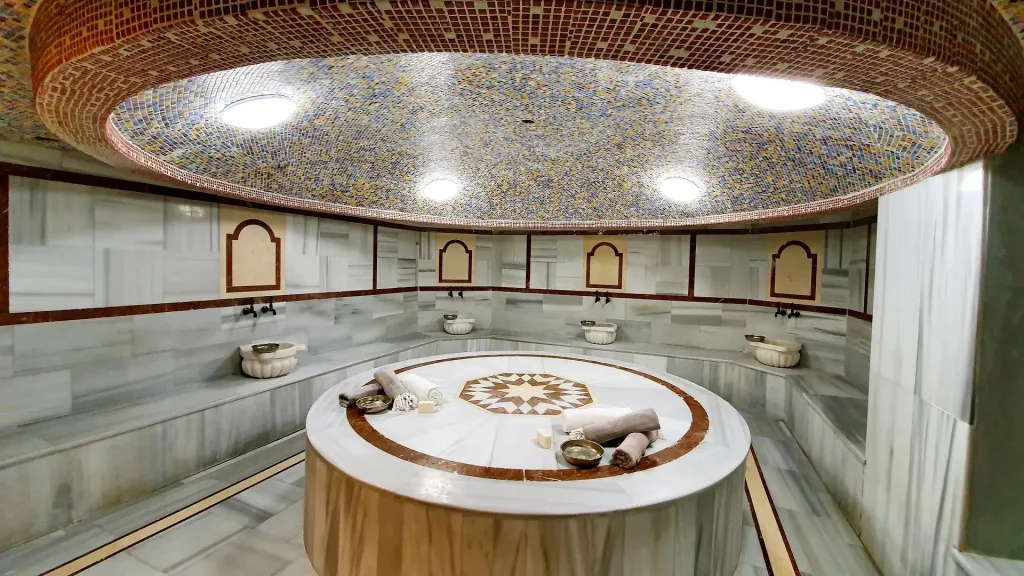
Top Turkish Hammams invite travelers to step into a living archive of hospitality, architecture, and ritual. From the steam-filled rooms to marble slabs, the experience blends history with graceful cleansing in a way that has drawn visitors for centuries, inviting reflection and time-honored rituals. In such settings, bathhouse etiquette and the artistry of cleansing—kese scrubs, foam massages, and soothing waters—shape the journey. Whether visiting historic baths or contemporary hammams, travelers seek authentic, respectful immersion. This concise guide helps you prepare for an immersive experience, focusing on comfort, culture, and the timeless appeal of a traditional Turkish spa heritage for first-timers and seasoned travelers alike.
Beyond the familiar name, the concept appears as Turkish steam baths, bathhouses, and Ottoman-era spa sanctuaries across regions. The core experience centers on heat, cleansing, and social warmth, whether in marble-sheathed rooms in Istanbul or contemporary wellness complexes around the world. LSI-friendly terms to consider include hammam ritual, kese exfoliation, tellak-guided treatments, and the broader tradition of bathhouse etiquette that shapes guest expectations. Understanding these interrelated ideas helps readers see how architecture, ritual sequence, and hospitality adapt to local cultures while preserving the essence of the experience.
Top Turkish Hammams: A Global Tour of Turkish Baths and Spa Traditions
Top Turkish Hammams are more than baths—they are living museums of hospitality, architecture, and ritual. Across continents, these spaces invite travelers to slow down and enter a rhythm rooted in hammam culture. In a typical Turkish bath, steam fills the room, marble slabs stay cool to touch, and the air harmonizes with the sound of running water. The experience blends ancient spa traditions with modern comfort, offering a sensory journey through heat, water, and quiet reflection. Whether you seek a cleansing ritual or a mindful pause, Top Turkish Hammams beckon with a promise of authentic culture and restorative self-care.
As you move from city to city and country to country, you’ll notice how different hammams interpret the same core steps of cleansing, kese exfoliation, foam, and massage. Even in cosmopolitan venues, the ritual remains anchored in bathhouse etiquette and the etiquette of hosts: guests are guided by a tellak or natır, a modest pace is encouraged, and patience is valued over speed. The result is not just clean skin but a doorway into centuries of Turkish baths and hammam culture that travelers can experience in varied settings while preserving the essence of this ancient Ottoman baths tradition.
Hammam Culture 101: The Ritual Path from Steam to Silence
The journey through a Hammam Culture 101 experience begins with warm steam that opens pores and prepares the body for cleansing. In many hammams, a sequence unfolds in progressive heat zones: a tepid room, a hotter chamber, and a final cool rinse that seals the cleansing. The architecture—domed ceilings, hot marble, and gentle lighting—helps the body surrender to the ritual, turning bathing into contemplative spa traditions rather than a quick wash. The balance of heat and water is at the heart of hammam culture, inviting relaxation and a sense of calm.
A trained attendant—tellak or natır—accompanies guests, applying soap, performing kese exfoliation, and sometimes delivering a foam massage. This guidance, rooted in bathhouse etiquette, ensures skin is treated with care and the rhythm of the experience remains unhurried. Even for first-timers, the ritual becomes a meditation on presence, warmth, and breath—a sacred segment within spa traditions that honors both social warmth and personal solitude.
Ottoman Baths and Their Modern Legacy in Historic Hammams
Ottoman baths established the blueprint for grand ceremonial spaces where cleansing is a social act and a form of hospitality. The idea of private or public cleansing merged with architecture—lush marble, sweeping arches, and quiet courtyards—creating settings that celebrate bathhouse etiquette as much as hygiene. The term ‘Ottoman baths’ signals a lineage that spans centuries, shaping how hammams around the globe view ritual, performance of cleanliness, and the role of attendants.
In today’s practice, many historic hammams preserve the core rituals—kese scrub, kahve foam or soapy lather, and a final oil application—while incorporating modern comforts such as private changing areas or massage options. These renovations keep the essence of Ottoman baths alive within a contemporary spa tradition, allowing visitors to experience a calibrating blend of tradition and convenience. The result is a living heritage that honors bathhouse etiquette and the ceremonial pace that has defined hammam culture for generations.
Istanbul’s Most Iconic Bathhouses: Architecture, Ritual, and Hospitality
Istanbul anchors the story of Turkish baths with an array of historic hammams that are as much about architecture as cleansing. Çemberlitaş Hamamı showcases Mimar Sinan’s grace in stone and space, while Cagaloglu Hamamı enchants visitors with grand marble rooms and storied scrubs. Süleymaniye Hamamı sits near the grand mosque, projecting imperial comfort in a setting built for contemplation, and Kılıç Ali Pasha Hamamı extends the lineage with refined design and a modern sensibility. Each site invites guests to participate in a ritual that blends hammam culture with timeless beauty.
Across these spaces, the choreography of heat, water, and massage forms a signature experience. Guests drift from warm to hot rooms, receive kese exfoliation from an attentive practitioner, then enjoy a final rinse and oil that leaves skin supple and scented. Beyond technique, the hospitality—courteous hosts, modest clothing, and a shared sense of calm—defines the success of a visit to Istanbul’s bathhouses, where tradition and beauty are inseparable.
Global Hammams: How Turkish Baths Adapt in Europe and North America
As Turkish baths travel beyond Turkey, they adapt to local tastes while maintaining core spa traditions. In European capitals and North American cities, you’ll find historic or purpose-built hammams that preserve the ritual elements—steam, kese, foam, and a caring touch from attendants—while offering modern amenities and multilingual guidance. The appeal remains anchored in the intimate atmosphere of a bathhouse where relaxation, social warmth, and cleansing meet in a carefully choreographed routine.
These international spaces often emphasize cleanliness, privacy, and comfortable pacing, reflecting local expectations around bathhouse etiquette and service style. Visitors gain a window into hammam culture wherever they go, experiencing the familiar sequence in new architectural languages—domes, marble, and soft lighting—while savoring the universal comforts of spa traditions that encourage hydration, quiet reflection, and mindful immersion.
Choosing a Hammam Abroad: Etiquette, Safety, and Authenticity
Selecting a hammam abroad begins with research into authenticity, hours, and the established rituals that define Turkish baths. Look for spaces that emphasize the kese exfoliation, soap cleansing, and a respectful tellak or natır-led experience, and that clearly communicate what’s included in the standard package. Reading reviews that mention spa traditions, cleanliness, and transparent pricing helps you compare options while aligning with bathhouse etiquette and cultural expectations.
Before you go, consider accessibility, gender policies, and the possibility of mixed sessions or private facilities. Ask about pressure levels for scrubs, acclimation time, and whether oils or moisturizers are included. By choosing boutique hammams that uphold historical etiquette alongside modern safety and comfort, you can savor an authentic Ottoman baths experience within a welcoming, inclusive environment.
Frequently Asked Questions
What makes Top Turkish Hammams unique among Turkish baths?
Top Turkish Hammams blend architecture, heat, and ritual into a sensory experience. The typical sequence—steam, hot room, cool rinse, and kese scrub with oil or massage—embodies hammam culture. Marble slabs, domed ceilings, and the presence of an attendant (tellak or natır) connect guests with centuries of Turkish baths and spa traditions.
What should I know about bathhouse etiquette when visiting Top Turkish Hammams?
In Top Turkish Hammams, etiquette centers on patience, modesty, and respect. Arrive with appropriate attire, follow the attendant’s guidance, and participate in the kese scrub. Hydrate between rooms, move slowly, speak softly, and tip for attentive service if offered to honor the spa traditions.
Which historic Istanbul hammams are must-visits within the Top Turkish Hammams framework?
Within the Top Turkish Hammams guide, don’t miss Istanbul’s Çemberlitaş Hamamı, Cagaloglu Hamamı, Süleymaniye Hamamı, and Kılıç Ali Pasha Hamamı. Each venue showcases Ottoman baths architecture and offers a distinct hammam culture—from quiet, candlelit spaces to lively steam rooms—while honoring the cleansing ritual.
What should I expect when visiting Top Turkish Hammams abroad?
At Top Turkish Hammams abroad, expect a familiar arc: steam, kese exfoliation, foam massage, and a cooling rinse. While service styles and languages may vary by country, the core spa traditions and bathhouse etiquette remain consistent, delivering relaxation and cleansing in a culturally respectful setting.
How can I choose an authentic Top Turkish Hammams experience that respects spa traditions?
To select an authentic Top Turkish Hammams experience, look for venues that emphasize kese, foam massage, and genuine hammam culture. Read reviews mentioning spa traditions and authenticity, prefer spaces with clearly stated rituals, and balance historical ambiance with comfortable modern amenities to preserve the essence of Turkish baths.
Are Turkish baths accessible and inclusive at Top Turkish Hammams around the world, and how should I plan?
Accessibility varies among Top Turkish Hammams worldwide. Some historic venues have limited accessibility, while modern facilities may offer smoother access. Contact the venue in advance to discuss needs, and plan around seating, pathways, and scheduling to ensure you can enjoy the steam, heat, and cleansing rituals comfortably.
| Aspect | Key Points |
|---|---|
| What makes a Turkish hammam unique | A social/ceremonial space for cleansing body and calming mind; sequence of steam, hot room, cool rinse, and final oil/massage; architecture with domed ceilings, marble, and soft lighting; traditional core steps preserved even as modern hammams add comforts. |
| Ritual roles and cleansing | Attendant (tellak/natır) guides cleansing, applies soap, performs kese, and may give a foam massage; emphasizes patient care, mindful pacing, and quiet dignity. |
| Kese scrub | Rough exfoliating mitt used in cleansing; exfoliates dead skin and stimulates circulation; a hallmark of the ritual. |
| Iconic Istanbul hammams | Çemberlitaş Hamamı, Cagaloglu Hamamı, Süleymaniye Hamamı, Kılıç Ali Pasha Hamamı; each with distinct ambiance and historic architecture. |
| Beyond Istanbul and global spread | Turkish baths exist worldwide in Europe, North America, and beyond; core elements remain—steam, kese, foam, and a tranquil environment—while service styles, languages, and pricing vary. |
| Visiting abroad: tips and etiquette | Check hours and dress code; know if sessions are gender-segregated or mixed; disrobing with towels provided; bring a small towel and flip-flops; hydrate; tip for extra attention; observe local cues; communicate preferences respectfully. |
| Regional experiences | Historic, intimate hammams coexist with modern spa complexes and neighborhood bathhouses; experiences vary, but the arc remains warm welcome, steamy prelude, kese, and a cool rinse. |
| Choosing a hammam | Read reviews noting authentic rituals; look for clean facilities, clear pricing, and clear inclusion in packages; seek authenticity in rituals rather than generic spa service. |
| Accessibility and inclusivity | Accessibility varies by location; contact ahead to discuss needs; plan accordingly to enjoy a calming, respectful cleansing ritual. |
Summary
Top Turkish Hammams reveal a timeless gateway to culture, architecture, and spa ritual. From Istanbul’s celebrated historic baths to modern hammams around the world, these spaces fuse centuries of hospitality with soothing rituals. Expect a purposeful sequence—steam to open the pores, a hot room to encourage sweating, a cool rinse, and a final oil or massage—along with architectural marble, domed ceilings, and tranquil atmospheres. The ritual is guided by tellak or natır attendants, the kese exfoliation, and a culture of patient care and respectful etiquette. Whether you’re planning a visit to Turkey or seeking authentic experiences abroad, Top Turkish Hammams offer immersion in a living tradition that blends history, wellness, and social warmth in every city you explore.